Wheelchair Lifts Explained: Types, Uses, and Installation Tips

Do you struggle to find reliable information about wheelchair lifts for your home or business? This post explains the basics of wheelchair lifts, reviews different models, and offers installation tips that are easy to follow. Readers will learn how various lift types meet different needs and discover ways to ensure smooth installation. The content focuses on solving common challenges faced during preparation and installation, making it a valuable resource for anyone looking to improve mobility.
Understanding the Basics of Wheelchair Lifts
Wheelchair lifts provide efficient mobility solutions, defined by their ability to support both individuals and vehicles. These systems, including electric chair lift for stairs and bruno lifts, improve mobility under ADA guidelines. They differ from ramps in design and application, proving necessary in elevated access areas. Warranty details and product features support informed decisions for both home and commercial installations.
Defining a Wheelchair Lift and Its Function
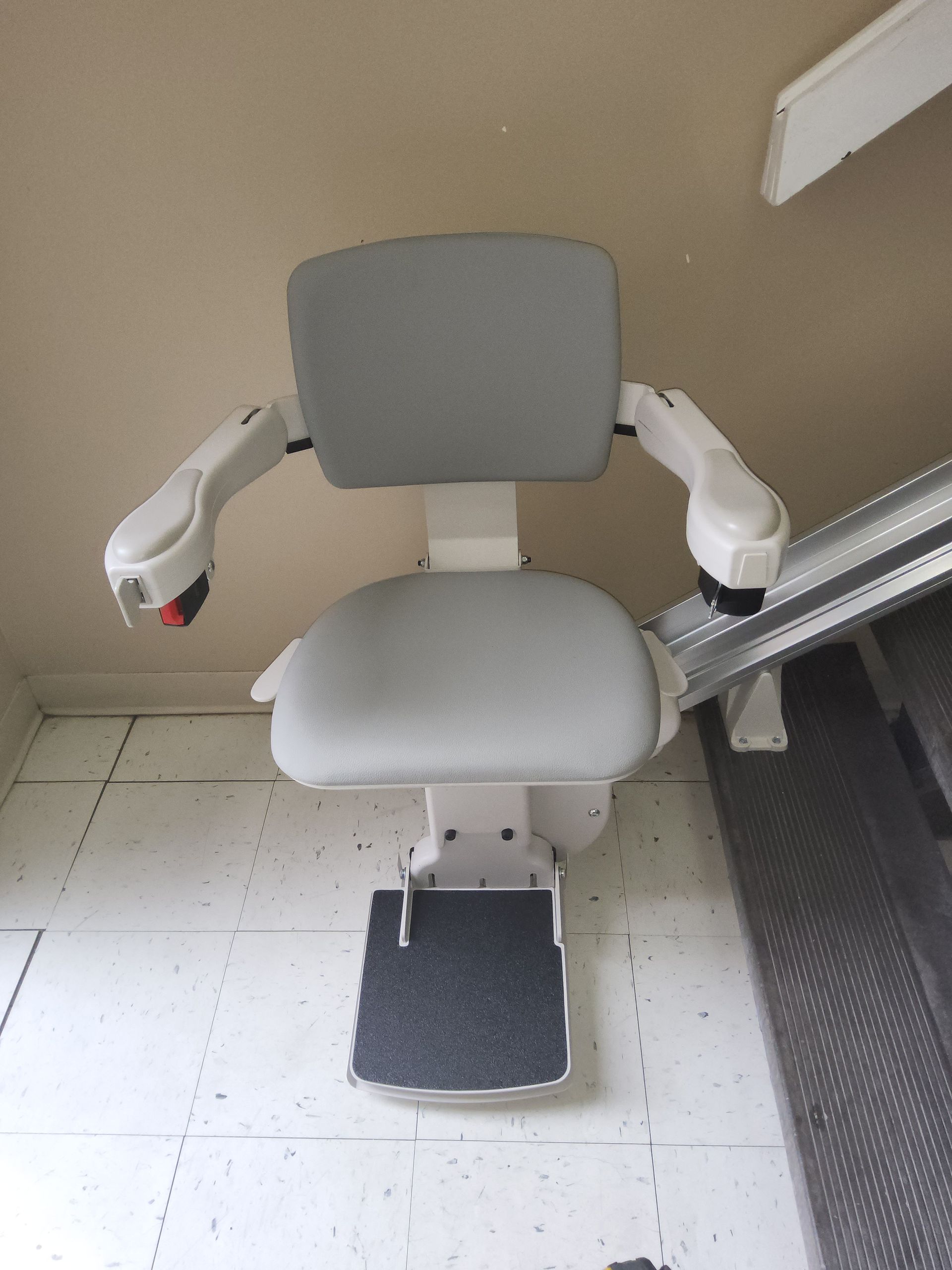
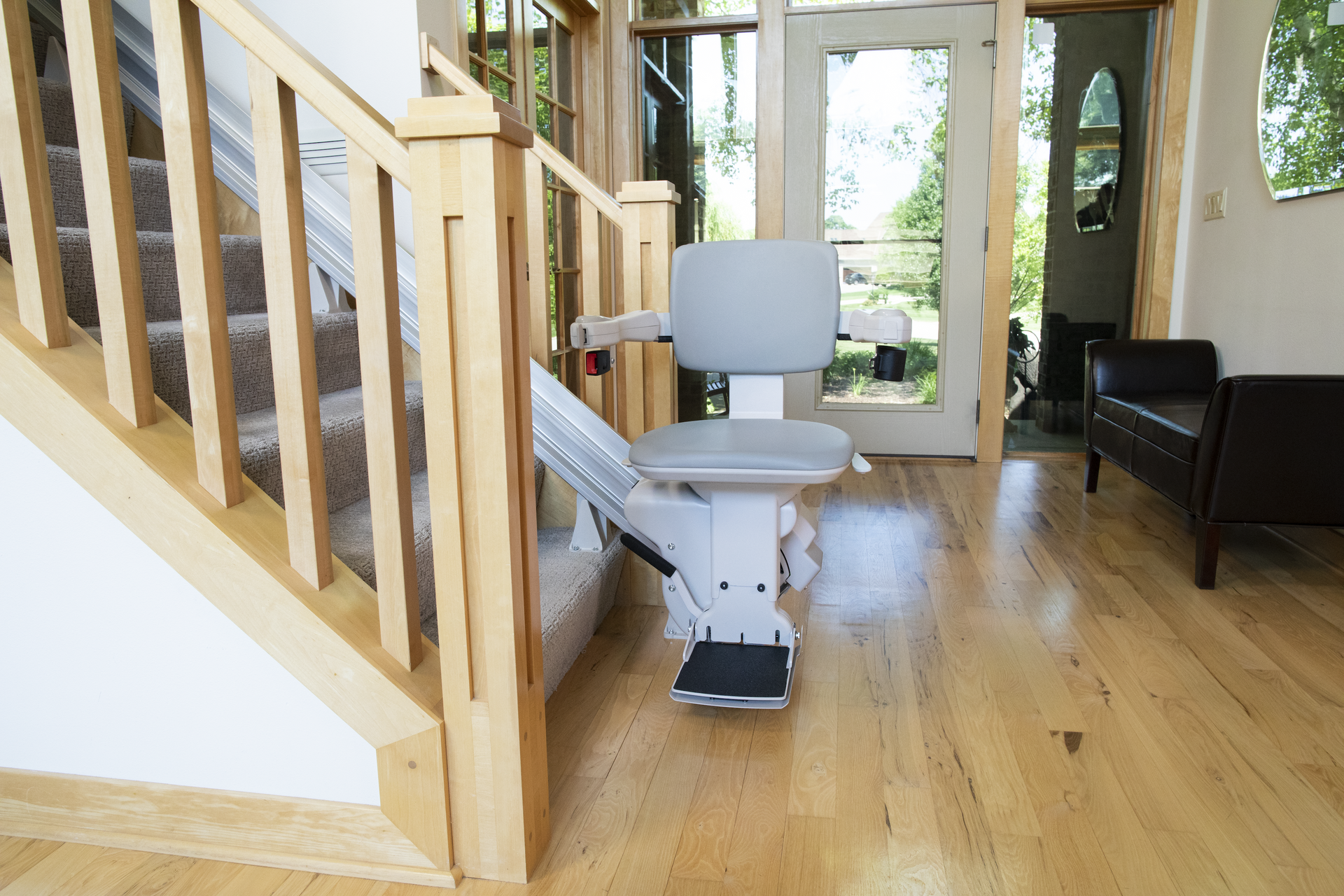
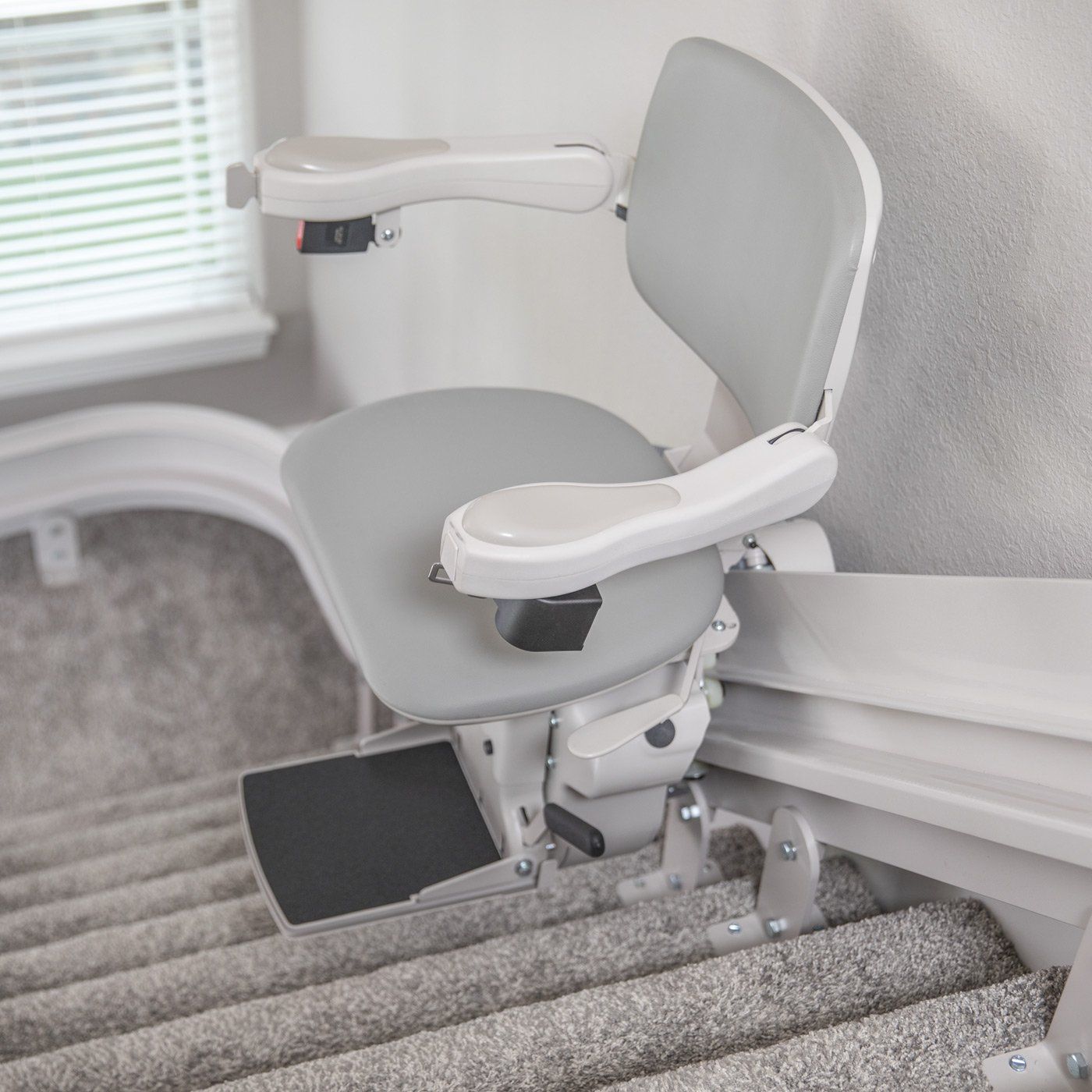
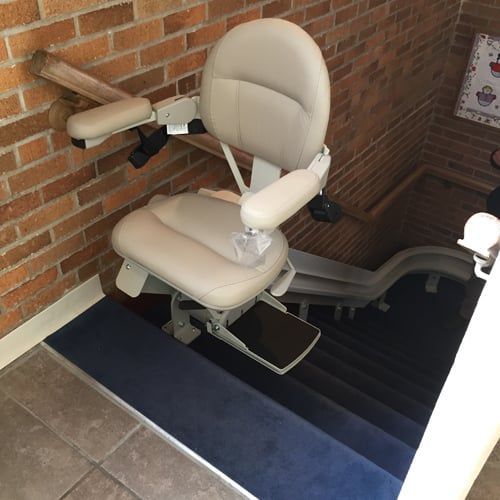
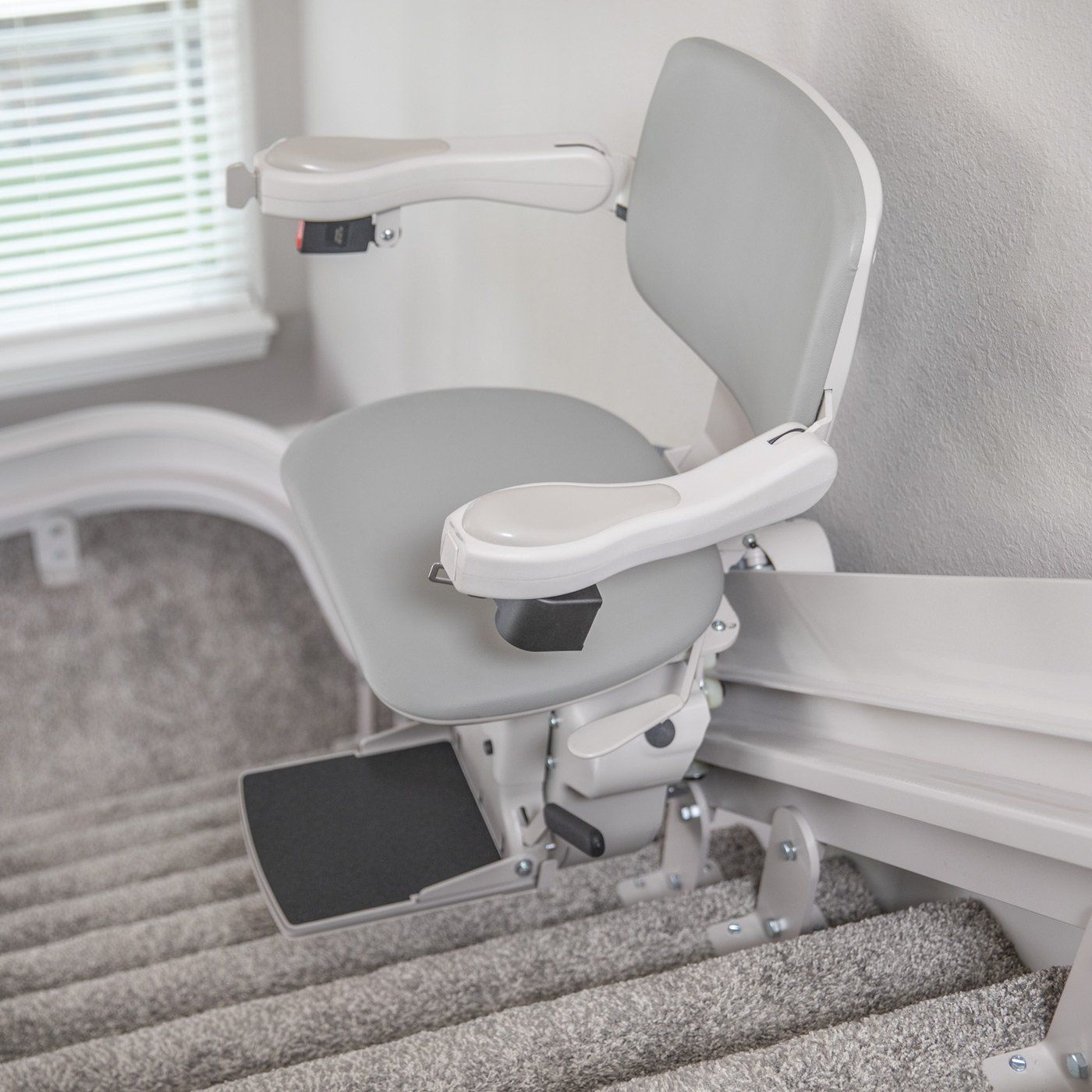
Wheelchair lifts, including platform lifts and inclined platform lifts, provide reliable mobility by transferring users between different elevations with ease, often featuring a cart mechanism for automated movement and built-in backup systems for added reliability:
- Efficient vertical transport solutions
- Seamless integration in both home and commercial sites
- Connectivity options, such as submitting an email address for service alerts
The specialized design of these systems ensures that users experience minimal effort when accessing various levels, supporting practical mobility needs and streamlining installation processes.
How Accessibility Lifts Improve Mobility
Accessibility lifts improve mobility by providing a reliable alternative to traditional elevator systems, ensuring a smooth transition for every passenger. They offer a high level of braunability with integrated sms capabilities that keep users informed about system updates and maintenance, similar to monitoring essential functions in a truck. Companies specializing in home and commercial installations rely on these advanced lifts to support practical needs efficiently.
Key Differences Between Lifts and Ramps
The comparison between lifts and ramps highlights distinct advantages in accessibility design, where a wheelchair elevator lift offers smoother transitions compared to the gradual incline of ramps. The use of a harmar scooter lift or similar systems in spaces such as a van or commercial site underlines the integration of these solutions in marketing strategies that emphasize safety and ease of use, providing clear benefits over traditional ramp installations in achieving optimal mobility.
Recognizing Situations Where a Lift Is Necessary
The necessity for a lift becomes apparent when a property involves significant height differences that challenge smooth entry and exit, making a mobility lift essential for reliable access. A stair lift with remote control capabilities can simplify transitions in busy commercial settings or homes where insurance policies emphasize reliable safety measures. Practical evaluations by experts show that assessing the building structure and anticipated user needs guides the decision to install a lift, ensuring overall safety and convenience.
Exploring Different Wheelchair Lift Models
This section covers vertical platform lifts that overcome height barriers, inclined platform lifts for stairs, portable wheelchair lifts for temporary needs, and vehicle solutions that include a scooter lift and wheelchair platform lift. It also compares residential and commercial models, delivering practical insights for each option.
Vertical Platform Lifts (VPLs) for Overcoming Height Barriers
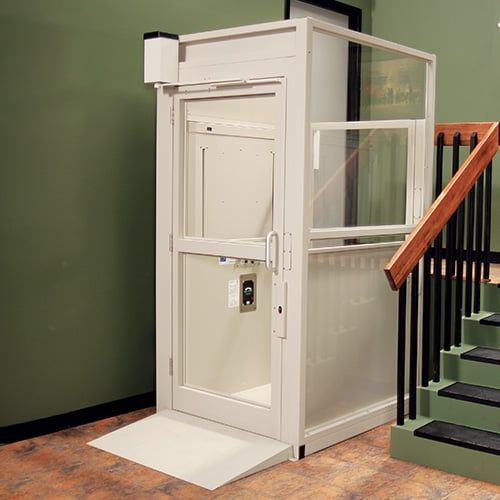
Vertical platform lifts provide a robust solution for transport in areas with substantial elevation changes, offering a dependable handicap chair lift option that ensures secure and smooth movement. Users benefit from models designed with reliable pump mechanisms and competitive sale price options, making the chair a practical investment for both residential and commercial environments.
Inclined Platform Lifts (IPLs) for Stairway Access
Inclined platform lifts serve as a practical solution for stairway access, offering an efficient alternative to traditional mobility options and complementing products like mobility scooter lift for car installations. The systems, often compared to reliable options such as bruno chair lifts, provide smooth transitions that cater to users in spaces with varying entry points, similar to the ease experienced when loading a pickup truck. Experts note that incorporating a handicap stair lift into advertising campaigns can significantly increase service inquiries from both residential and commercial clients, reflecting a deep understanding of user needs.
Portable Wheelchair Lifts for Temporary Needs
Portable wheelchair lifts offer a flexible approach to temporary mobility needs, providing efficient solutions for users who require a power chair lift in restricted space or during short-term situations, whether in a home or a commercial setting; these systems allow an individual to maintain ADA wheelchair compliance without a significant investment in a permanent platform lift for home installation, while the price remains competitive and accessible:
- Quick setup and takedown for versatile applications
- Adaptability to various space constraints
- Cost-effective alternative for short-term mobility support
Vehicle Wheelchair Lifts for Transportation Freedom
The vehicle wheelchair lift offers reliable transportation freedom for users requiring efficient mobility solutions, ensuring that both mobility scooter and suv users experience minimal pressure during their travel routines. This advanced wheelchair lift model simplifies installation and reduces payment complexities, providing a secure and practical solution for commercial and residential environments. Its design supports diverse vehicle applications, making it a trusted choice for overcoming mobility challenges in various scenarios.
Comparing Residential and Commercial Grade Lifts
The company distinguishes between residential and commercial grade lifts by offering a range that meets the specific needs of each setting; while a residential handicap lift may focus on integrating seamlessly with a porch entry or home layout, a commercial wheelchair lift is built to support higher usage environments such as a bus station or facility, with reliable telephone alert systems to ensure continuous operation and prompt service response when needed:
- Residential lifts emphasize quiet operation and unobtrusive design.
- Commercial options prioritize durability and higher capacity.
- Both models incorporate safety features for everyday use.
Common Applications for Wheelchair Platform Lifts
Customer-focused insights guide this section on practical lift applications. Residential lifts support home accessibility, while commercial lifts improve public building access. Integration into vans and vehicles offers transport solutions, and outdoor lift options cater to decks, patios, and porches. Each topic offers straightforward advice tailored to customer needs for efficient, accessible mobility solutions.
Making Homes Accessible With Residential Lifts
Residential lifts allow homeowners to achieve smooth indoor-outdoor transitions while providing a dependable mobility solution for family members. These reliable wheelchair lifts ensure safe and simple access to different levels of the home, reducing challenges and meeting everyday needs efficiently.
Improving Public Building Access With Commercial Lifts
Commercial lifts provide a robust solution for public buildings by ensuring safe, smooth access between floors, thereby reducing barriers to mobility. These reliable systems help facility managers maintain continuous operation while supporting high traffic and strict safety protocols. Industry professionals find that installing commercial lifts enhances overall accessibility and meets stringent regulatory requirements for public spaces.
Integrating Lifts Into Vans and Other Vehicles
Integrating mobility lifts into vans and other vehicles offers a reliable solution for ensuring smooth access during travel. The professional team considers vehicle space, weight capacity, and user safety when installing these systems, resulting in adaptable solutions that improve daily transportation. Practical steps include:
- Assessing vehicle dimensions and entry points
- Selecting a compatible lift model
- Implementing secure installation practices
Outdoor Lift Solutions for Decks Patios and Porches
Wheelchair platform lifts for outdoor areas offer a practical solution to improve access to decks, patios, and porches, ensuring safe transitions between different levels. The systems are designed for secure installation and reliable operation in various weather conditions, meeting the needs of both residential and commercial users. This approach supports efficient mobility while avoiding the complexities associated with alternative access methods.
Key Factors for Selecting the Right Wheelchair Lift
Assessing specific accessibility requirements, measuring space and structural needs, and understanding weight capacity and platform size prove essential when selecting a wheelchair lift. Evaluating safety features and controls and budgeting for the purchase further assist in choosing the right fit. Subsequent topics offer practical insights for informed decisions in both residential and commercial installations.
Assessing Your Specific Accessibility Requirements
Experts advise evaluating building dimensions and user requirements to determine the most suitable lift for various spaces. Professionals consider factors such as space limitations, weight capacity, and platform size when recommending a system that suits either residential or commercial settings. This methodical assessment ensures that the selected wheelchair lift meets the specific accessibility challenges and supports reliable mobility across all locations.
Measuring Space and Structural Needs Accurately
Careful measurement of space and structural needs is vital when selecting a wheelchair lift; experts recommend reviewing building dimensions, weight limits, and platform size to guarantee a secure installation. This process helps ensure that the lift meets the precise requirements of each location while addressing potential challenges such as clearance and stability issues, providing clear guidance for installation experts and property managers:
- Review overall building dimensions and entry points
- Determine weight capacity based on expected usage
- Assess platform size and clearance for smooth transitions
Understanding Weight Capacity and Platform Size Options
Professionals consider weight capacity and platform size options as vital metrics when determining the best wheelchair lift for a specific setting, ensuring that each system supports anticipated usage while fitting within available space constraints. Expert installers assess these factors through precise measurements to guarantee reliable and secure installation, which ultimately leads to smoother transitions and optimal lifespan. This approach helps both homeowners and commercial clients align their mobility equipment choices with their practical needs, resulting in a sound investment for enhanced access.
Evaluating Safety Features and Controls
The safety features and controls of a wheelchair lift are crucial for reliable use in both home and commercial installations, ensuring users experience secure operation at all times while minimizing potential risks. Key elements such as manual stop functions, motion sensors, and user-friendly control panels guide the selection process by addressing common challenges and offering peace of mind:
- Manual stop functions for emergency use
- Motion sensors to detect obstructions
- User-friendly control panels for straightforward operation
Budgeting for Your Wheelchair Lift Purchase
Budgeting for a wheelchair lift purchase requires careful planning to ensure the selection meets both practical needs and financial constraints. Consider the following factors to better manage cost and achieve a smooth installation process:
- Assess current space requirements
- Review installation expenses for both residential and commercial settings
- Compare options based on weight capacity and platform size
Navigating Wheelchair Lift Installation Procedures
This section covers essential steps for wheelchair lift installation. It outlines site preparation, power needs and electrical work, and factors to weigh when choosing professional help versus self-setup. The article then details typical installation steps and post-installation checks, offering clear guidance to ensure a smooth and safe initial operation of mobility equipment.
Preparing the Site for Lift Installation
The installation team assesses the installation area to ensure all dimensions are measured accurately and obstacles are removed, thereby preparing the site for a seamless wheelchair lift setup. This careful site preparation process includes verifying structural stability, checking power source locations, and planning clear access routes to optimize both residential and commercial installations:
- Review building dimensions and entrance points
- Confirm electrical outlet availability
- Clear obstructions for smooth access
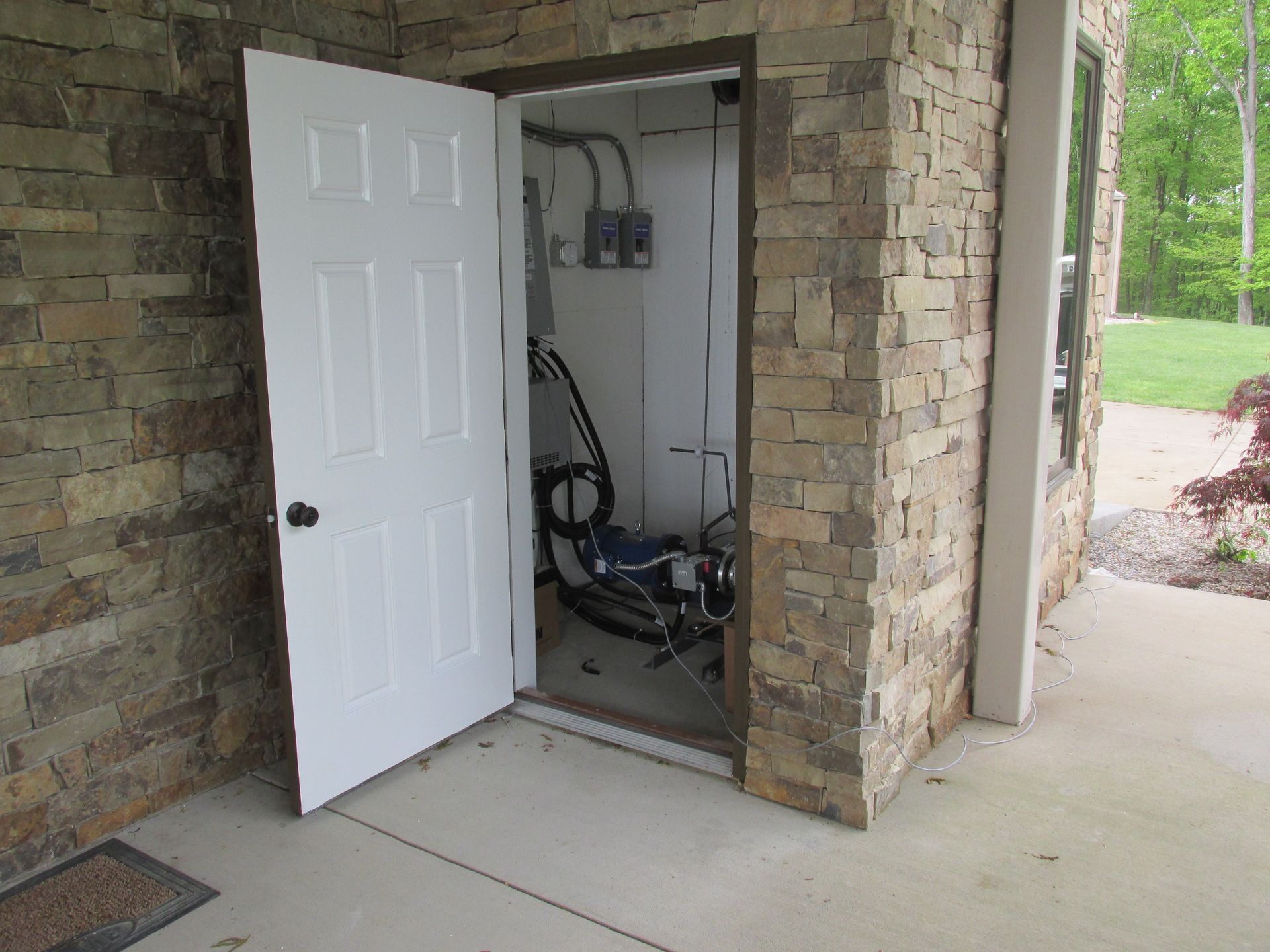
Understanding Power Requirements and Electrical Work
When planning wheelchair lift installation, understanding power requirements and electrical work is crucial to ensure safe and reliable performance, as experts recommend verifying voltage compatibility, circuit capacity, and necessary connection points before starting any installation process:
- Assess voltage requirements
- Confirm circuit capacity
- Check electrical safety standards
Professional Installation Versus Self Setup Considerations
Experts advise that professional installation ensures that wheelchair lifts, whether for home or commercial settings, are set up safely and in compliance with all regulations, reducing the risk of improper installation while saving valuable time for property managers. The decision between professional installation and self setup can be summarized by considering:
- Expert assessment of structural and electrical requirements
- Comprehensive warranty support and safety checks
- Efficient troubleshooting and technical guidance
Typical Steps in the Installation Process
The installation process begins with a comprehensive assessment of the site, where experts evaluate space dimensions, power requirements, and accessibility to ensure that the selected wheelchair lift fits the specific needs of the location. Professionals then proceed with careful assembly, aligning the lift's mechanical components and safety features to guarantee proper function and reliable mobility operation. Finally, a series of rigorous tests are performed to confirm that the equipment meets all performance and safety standards, providing a smooth initial operation that enhances both residential and commercial accessibility.
Post Installation Checks and Initial Operation
Experts perform thorough post installation checks to confirm that the wheelchair lift functions safely and meets regulatory standards, testing features such as motion sensors, manual stops, and control panels for proper operation. The initial operation session includes a detailed review of all system components, ensuring that homeowners and commercial facilities experience reliable and smooth mobility from the start.
Maintaining Your Wheelchair Lift for Longevity
Routine maintenance checks and scheduled professional servicing keep wheelchair lifts operating safely. This section outlines how to perform basic maintenance, troubleshoot common issues, and understand warranty support, ensuring every accessibility lift remains reliable. Practical insights guide users in maintaining optimal performance through regular inspections and expert advice.
Routine Maintenance Checks You Can Perform
Regular checks on the wheelchair lift improve reliability and prolong service life. The maintenance team ensures that tasks such as cleaning components, verifying sensor accuracy, and inspecting power connections are completed; performing the following actions helps maintain optimal performance:
- Clean and inspect the lift's tracks and moving parts
- Test safety sensors and control panels for proper response
- Examine power connections and backup systems
Scheduling Professional Servicing and Inspections
Experts advise that regular professional servicing and inspections help maintain the equipment's optimal performance and safety. This approach minimizes potential disruptions and supports both residential and commercial mobility solutions by ensuring that every component of the wheelchair lift operates as intended.
Troubleshooting Frequent Lift Operational Issues
Experts recommend checking control panel settings and sensor functions as first steps when evaluating frequent operational issues with a wheelchair lift. Regular review of power connectivity and software diagnostics ensures practical insights are applied to minimize disruptions and optimize lift performance. The approach helps users quickly resolve minor glitches and maintain safe, reliable operation for both residential and commercial installations.
Understanding Warranty Coverage and Support
Warranty coverage for wheelchair lifts includes detailed support plans that address repair guidelines, regular maintenance checks, and replacement policies in case of component failure, ensuring that both home and commercial users receive efficient service. The company provides clear instructions and prompt technical assistance to resolve any issues, which reassures customers about their investment and minimizes downtime. This level of support reflects a commitment to quality and reliability in every installation.
Keeping Your Accessibility Lift Safe and Reliable
Regular upkeep and timely inspections ensure that accessibility lifts remain safe and reliable for both residential and commercial environments. The company’s team of experts applies proven maintenance protocols to address performance issues and secure optimal operation. This careful approach demonstrates commitment to quality, giving users confidence in their mobility equipment every day.
Conclusion
Wheelchair lifts offer practical solutions that support reliable mobility in both home and commercial settings. They accommodate various elevation differences while ensuring compliance with accessibility standards. Clear guidelines on choosing, installing, and maintaining these lifts empower users to make informed decisions. This topic underscores the value of selecting the right lift to secure safe and efficient access for everyone.