Welcome To Lexington

Serving Central KY Since 2009

Welcome to Our

Lexington, KY Showroom

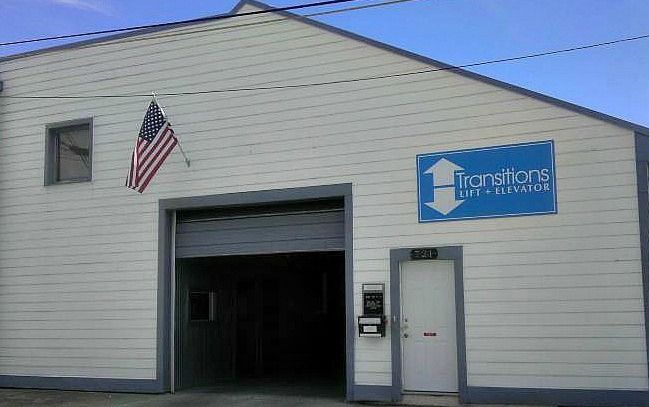
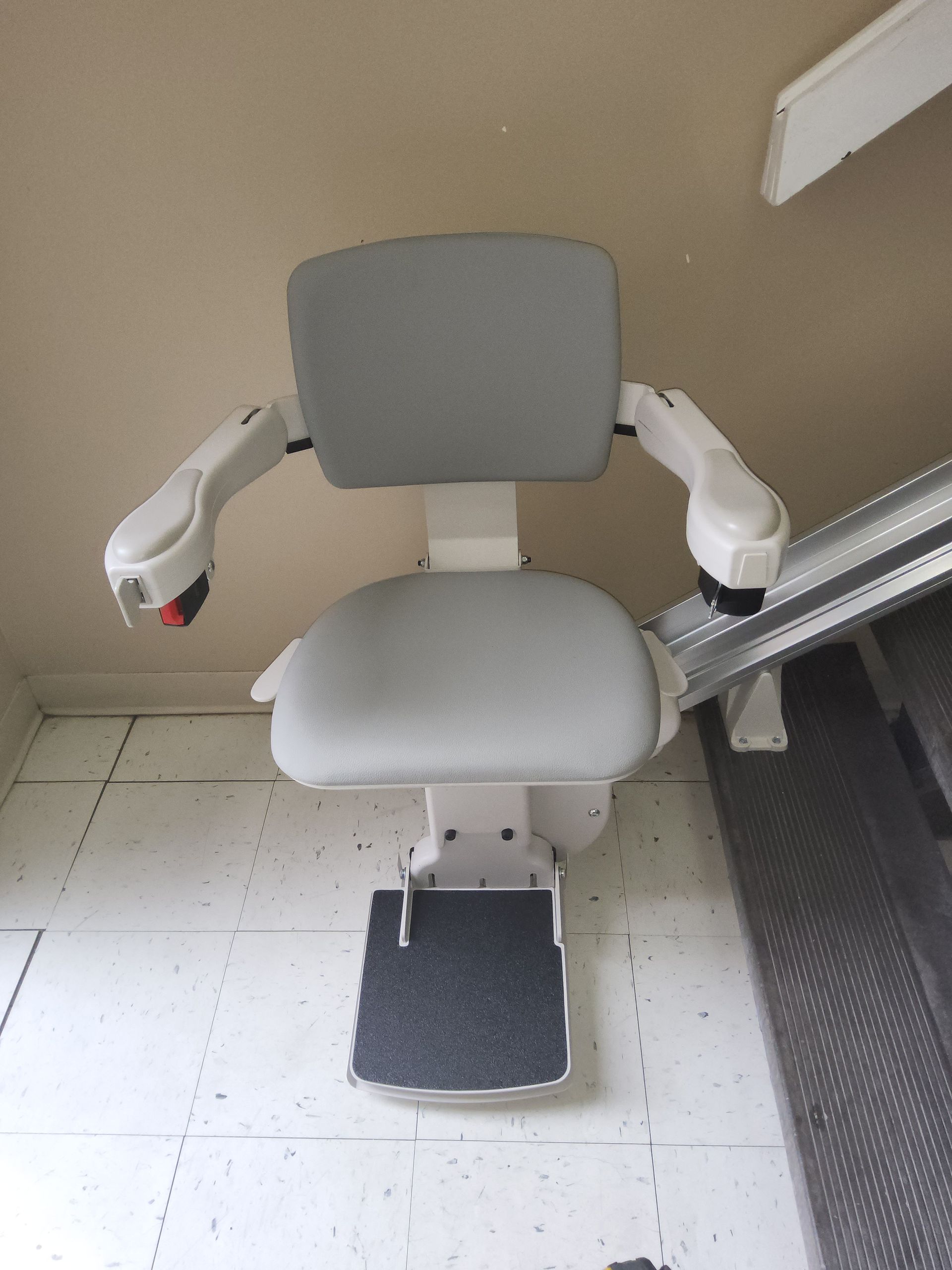
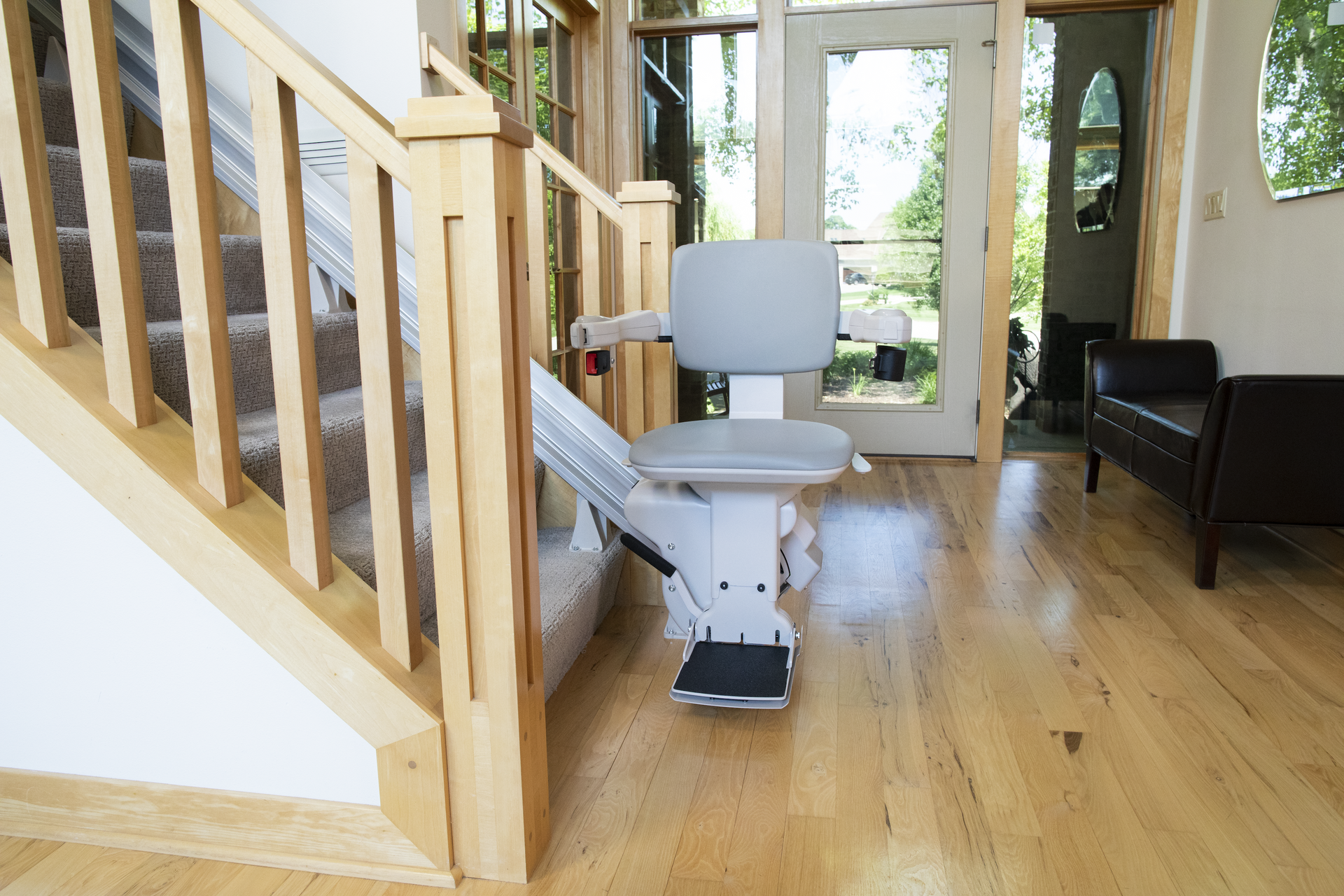
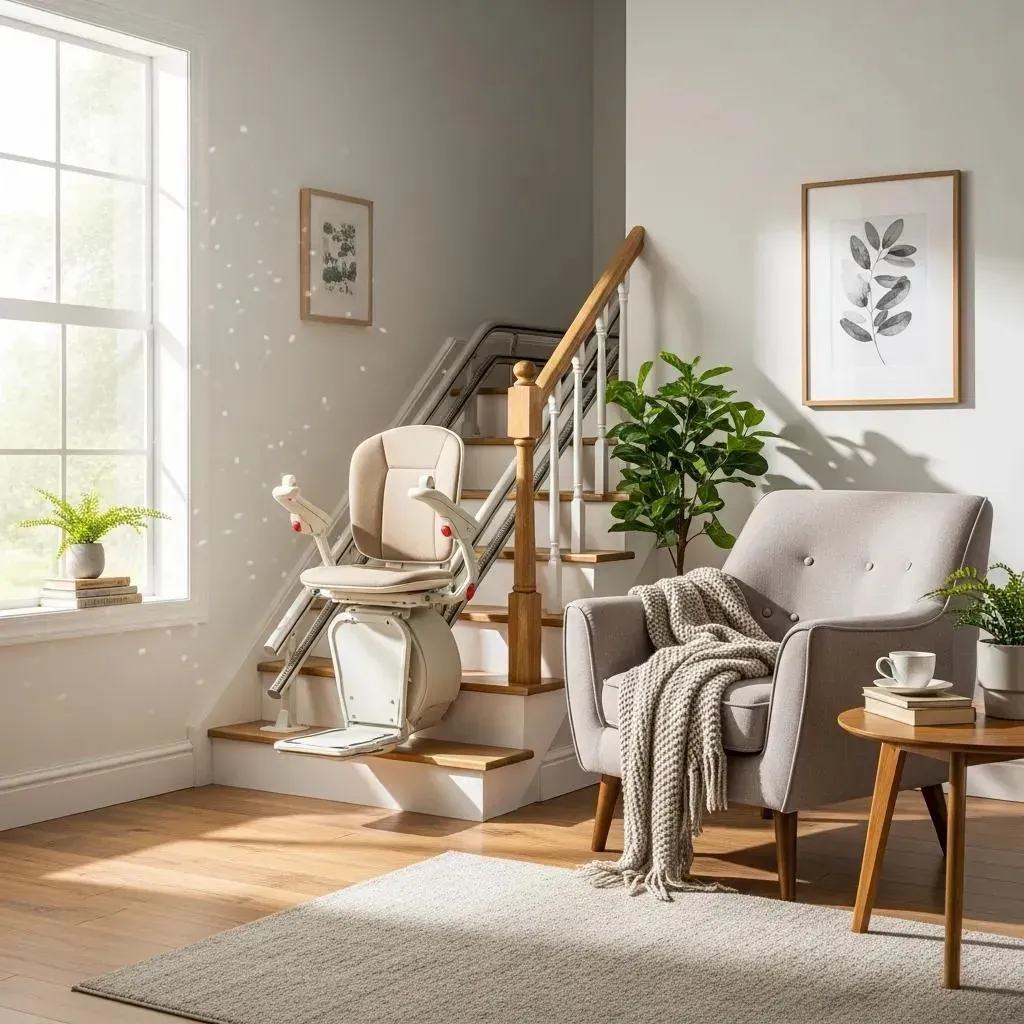
In Lexington, KY we have been helping people stay in their homes and making their lives easier since opening in 2009. Our showroom is near downtown Lexington and has working stair lifts, vertical platform lifts and home elevators. Transitions Lift and Elevator has helped countless clients make their home more functional and convenient throughout the Central and Southeast Kentucky regions. We work with homeowners, general contractors, commercial businesses and churches to help them find a lift system that suits their needs. 


Give us a call to schedule sales, service, safety inspection and maintenance for your lift or home elevator. Transitions Lift + Elevator is a licensed elevator contractor in Kentucky, Indiana, Ohio (including City of Cincinnati), and Tennessee.

Get a Quote Today!

Getting You Where You Need to be Since 2009!

Lexington, KY

Questions?

Contact Us

Showroom Hours: By Appointment Monday - Friday 9:00am - 5:00pm EST

721 National Ave, Lexington, KY 40502, USA


Email: info@transitionsmobility.com


Phone: (859)-299-0068 or Toll Free: (877) 341-3555

What Our Customers Are Saying!

Recent News from Transitions Lift + Elevator

January 23, 2026
Used Bruno Stair Lifts for Sale: Your Complete Guide to Affordable Mobility Solutions
January 17, 2026
Installing a stair lift is a critical decision for homeowners considering aging in place. On average, installation costs can be a significant factor in this choice. This article will explore the average stair lift installation costs, break down installation fees, and highlight potential hidden expenses. Readers will gain insights into evaluating costs from different stair lift companies and understanding financing options. By recognizing these factors, homeowners can make informed decisions that enhance their interior design while ensuring their safety and mobility. Key Takeaways stair lift installation costs range from $3,000 to $5,000 for straight models curved stair lifts require custom solutions, costing between $8,000 and $15,000 homeowners should explore financing options and insurance coverage for potential cost relief obtaining multiple quotes helps assess pricing and available services for better decision-making maintenance and warranty fees are essential factors in long-term budgeting for mobility solutions Overview of Stair Lift Installation Costs
December 15, 2025
Are you facing challenges moving comfortably between floors in your home? This post outlines what a home elevator is, the different residential lift types available, and the benefits of installing one. Readers will learn how to reduce mobility struggles and improve daily living. The content also discusses cost factors, installation details, and necessary safety measures to ensure the best decision for your residence. What Exactly Is a Home Elevator? This section defines residential lifts for personal use and explains differences from commercial models. It covers why homeowners opt for options like a wheelchair lift and illustrates basic components, including elements like glass, unique brand advice in jersey, and support via zip code data. Defining Residential Lifts for Personal Use Residential lifts for personal use offer an effective alternative to traditional staircase systems, enabling seamless transitions between floors while absorbing natural light to enhance the overall ambiance; this option appeals to homeowners seeking reliable mobility solutions often highlighted through professional advertising in New Jersey: Efficient mobility system design Smooth integration into different floor levels Maximized natural light for a brighter home environment Visibility through targeted advertising in New Jersey Resilient solution that bypasses the limitations of a staircase How Home Elevators Differ From Commercial Models Home elevators used in residences differ from commercial models mainly by addressing a home's specific space dimension and design requirements, incorporating elements such as a secure handrail and wood finishes to complement interior aesthetics while accommodating lower pressure demands than commercial systems. This tailored approach provides users with precise information that guides the installation process, ensuring safety and comfort for individual needs: Custom dimension adjustments Specialized wood finishes integration Enhanced handrail design for improved safety Optimized pressure requirements for residential use Clear information to support installation and maintenance Common Reasons Homeowners Choose an Elevator Homeowners choose an elevator for its ability to provide reliable mobility during a power outage by offering battery backup options and a secure gate system, ensuring continuous safety. The elevator's streamlined footprint and robust steel construction make it a practical solution for residences where space is tight and performance is crucial. This choice delivers convenience and peace of mind by combining advanced safety measures with efficient design to meet modern accessibility needs. Basic Components of a Typical Home Elevator System Typical home elevator systems include key elements such as robust construction materials and an efficient design that meets standards often referenced by the American Society of Mechanical Engineers. Practical installations involve considerations like ceiling clearance and careful material selection, ensuring the price remains competitive while upholding safety and aesthetic standards. This system provides homeowners with a reliable mobility solution that is both innovative and cost-effective. Exploring Different Types of Residential Lifts Hydraulic home elevators, traction systems, pneumatic vacuum elevators, and MRL designs offer various solutions tailored to accessibility standards like the Americans with Disabilities Act of 1990. This section covers drive system comparisons, warranty details in manufacturing, and optimizing room use to deliver efficient and safe residential mobility options. Hydraulic Home Elevators Explained Hydraulic home elevators rely on the force of fluid pressure to provide smooth, reliable movement between floors, making them an attractive option for residences seeking a practical alternative to stairs while preserving interior design aesthetics and saving energy. This system works efficiently by controlling atmospheric pressure to move the elevator smoothly and safely by a calculated number of foot movements, with a concise breakdown of the process: Fluid dynamics converting energy into vertical motion Precise control over foot-based distance to ensure smooth acceleration and deceleration Integration with modern interior design without compromising on safety Understanding Traction Elevator Systems for Homes Traction elevator systems for homes operate using a counterbalance mechanism that efficiently manages the weight of the elevator car while reducing overall cost compared to alternatives, making them an attractive option for renovation projects where space is limited. This system often incorporates a pump to control cable tension, ensuring smooth operation and reliable performance for homeowners seeking dependable mobility solutions. Pneumatic Vacuum Elevators a Modern Choice Pneumatic vacuum elevators provide an innovative solution suited to modern residential needs, especially for customers looking for accessible mobility options that complement traditional hydraulics and offer ease of maintenance. Designed with safety and efficiency in mind, they present a practical choice for homeowners in regions like Canada, meeting the needs of those requiring wheelchair accessibility in a compact and modern design. Machine Room-Less (MRL) Elevator Designs Machine Room-Less (MRL) elevator designs provide a compact and efficient solution, reducing the need for extra space while offering reliable performance tailored for residential use; they simplify installation and maintenance with components that integrate seamlessly into various home layouts: Saves space by removing the need for a separate machine room Streamlines installation with a compact design Offers dependable performance and low maintenance requirements Comparing Drive Systems Pros and Cons Professional analysis of drive systems reveals that hydraulic options offer smooth operation with a quieter performance, while traction systems often provide energy efficiency and simpler maintenance requirements. Homeowners can benefit from understanding these differences to choose a solution that fits their specific space and usage needs, ensuring a mobility installation that aligns with their lifestyle. The evaluation of each system's attributes can guide informed decisions that meet both safety standards and aesthetic considerations. Key Advantages of Installing a Home Elevator Home elevators improve accessibility and daily convenience while aiding in the efficient transport of goods. Customized designs contribute to a modern home look, support aging in place, and may increase property value. The following sections detail improved mobility, enhanced day-to-day ease, property benefits, and tailored design options for a practical residential lift solution. Improving Accessibility and Mobility Within Your Home Home elevators improve accessibility by providing a reliable and efficient means of navigating between levels, reducing the risk associated with staircases and promoting independence. They offer a practical solution for households needing mobility assistance, ensuring that each floor is easily reachable and enhancing overall quality of life. Adding Convenience for Daily Tasks and Transporting Goods Home elevators provide a practical solution for moving essential items between floors, making daily tasks smoother and reducing the need to carry heavy loads up and down staircases. This system offers homeowners a reliable way to transport goods quickly and safely across different levels, ensuring that daily routines remain efficient and manageable. Potential Increase in Property Value With a Residential Lift Installing a residential lift may boost a property's market appeal by offering a modern and practical upgrade that appeals to buyers seeking functional living spaces. The integration of home elevators in residences often translates to higher valuations, reflecting the efficiency and added accessibility provided to occupants. Aging in Place Solutions Provided by Home Elevators Home elevators serve as a practical solution for aging in place, supporting safe and independent mobility for homeowners while simplifying transitions between floors; this upgrade is ideal for those seeking to maintain an active lifestyle at home and reduce fall-related risks: Enhanced safety features for independent living Smooth and reliable movement between levels Modern design that supports accessible living Customization Options to Match Your Home's Style Home elevator customization options allow homeowners to integrate mobility solutions that reflect individual interior design preferences and functional requirements, offering tailored finishes, design accents, and adaptable features that align with each home’s unique style and spatial layout: Custom paneling options and personalized hardware finishes Adjustable interior lighting to complement home decor Space-efficient designs that integrate with modern living environments Factors Influencing Home Elevator Costs and Installation This section outlines factors affecting home elevator costs and installation. It covers estimating purchase prices for different elevator types, installation expenses, space requirements and structural modifications, permit processes and local building codes, as well as long-term financial aspects of elevator ownership. These insights help homeowners understand the complete picture before investing in a home elevator installation. Estimating the Purchase Price of Various Elevator Types Estimating the purchase price for various home elevator systems requires careful review of key features such as design customization, installation expenses, and maintenance factors: System design and customization Installation and structural modifications Technological features and energy efficiency Maintenance and service agreements Understanding Home Elevator Installation Expenses Home elevator installation expenses involve multiple components, including labor, structural enhancements, and permit fees, all contributing to the overall investment. Please consider the following key elements: System design and engineering adjustments Labor and installation charges Permit and inspection fees Space Requirements and Structural Modifications Needed Home elevator implementations require careful evaluation of available space, with installation teams assessing ceiling clearance, shaft dimensions, and the need for structural adjustments to support the system. Structural modifications might include reinforcing floors or adjusting walls to meet safety standards and ensure smooth operation. This analysis helps owners plan for potential construction changes while maintaining a focus on cost efficiency and safety compliance. Permit Processes and Local Building Codes The process of securing permits and meeting local building codes is a critical step in home elevator installation, ensuring that the system adheres to safety standards and regulatory requirements. This procedure requires reviewing plan details, obtaining necessary approvals, and coordinating inspections with local authorities: Review of installation plans and design specifications Submission of permit applications and required documentation Coordination with local building officials and scheduling inspections Long-Term Financial Aspects of Elevator Ownership Long-term elevator ownership involves planning for routine maintenance, repair costs, and occasional upgrading, factors that can affect overall investment. Practical financial planning allows homeowners to ensure that their residential lift continues to provide reliable, efficient accessibility while remaining cost-effective over time. Essential Safety and Maintenance Considerations for Your Lift This section outlines built-in safety features standard in modern home elevators, routine maintenance schedules for smooth operation, and tips for identifying reputable service providers. It also explains steps during power outages or malfunctions and highlights key safety certifications and standards, ensuring homeowners enjoy a secure and reliable residential lift experience. Built-in Safety Features Standard in Modern Home Elevators Modern home elevators come equipped with integrated sensors, emergency stop functions, and advanced door interlock systems that ensure passenger safety, especially during maintenance or unexpected power outages. These safety features provide homeowners with reliable and continuous operation while meeting high safety standards and addressing the unique mobility needs present in residential installations. Routine Maintenance Schedules to Keep Your Elevator Running Smoothly Home elevator routine maintenance ensures that the mobility system remains in optimal operating condition, reducing downtime and preserving safety standards while addressing common issues before they escalate into larger problems: Regular inspections of mechanical and electrical components Scheduled lubrication for moving parts Calibration of safety sensors and interlocks Identifying Reputable Service Providers for Your Residential Lift Home elevator owners can ensure continuous performance by partnering with certified service providers experienced in residential lift maintenance and repair. Professionals with a proven track record offer thorough safety inspections and timely preventive maintenance, reducing downtime and allowing homeowners to feel confident in their investment. Locating a reliable service provider through verified customer reviews and local business accreditations supports both daily operation and long-term reliability. What to Do During Power Outages or Malfunctions During unexpected outages or minor malfunctions, homeowners should adhere to recommended safety precautions and immediately contact their trusted service provider for prompt assistance; a few key steps include: Securing the elevator car by activating the emergency stop function Verifying that backup power systems are operational Observing proper evacuation procedures if necessary These actions ensure a secure response and maintain overall system reliability. Safety Certifications and Standards to Look For Professional home elevator services insist on equipment that meets strict safety certifications, ensuring compliance with well-defined industry standards for residential mobility. Homeowners benefit from these validated systems as they guarantee long-term reliability and support safe, uninterrupted operation under regular maintenance checks. Making the Right Choice for Your Residence Assessing specific needs and matching elevator types to a home’s layout helps shape an informed decision. Working with architects and elevator professionals, comparing quotes from home elevator companies, and addressing pertinent questions ensure a secure, reliable choice that fits a unique lifestyle and space requirements. Assessing Your Specific Needs and Lifestyle The evaluation process starts by identifying current mobility challenges and specific household requirements, enabling a tailored home elevator solution that seamlessly fits the available space and overall design. Experts advise that professionals conduct thorough assessments to ensure the chosen system efficiently meets daily living needs and promotes a comfortable, secure environment for residents. Matching Elevator Types to Your Home's Layout Home elevator specialists analyze available space and architectural designs to identify the best lift system for each residence, ensuring a perfect match between mobility equipment and home layout. They assess room dimensions, floor clearances, and design preferences to suggest installations that blend seamlessly with interiors while addressing accessibility needs and safety standards. This tailored approach offers homeowners clear guidance when planning residential lift integration and optimizing space usage for a secure, functional upgrade. Working With Architects and Elevator Professionals Working with architects and elevator professionals ensures that each home elevator is designed and installed to meet specific spatial needs and usability requirements. Experts collaborate to provide detailed assessments and accurate measurements, resulting in a mobility solution that fits neatly within the home's existing layout and design. This professional approach guarantees that residents enjoy a seamless blend of functionality and modern aesthetics tailored to their lifestyle. Comparing Quotes From Different Home Elevator Companies Comparing quotes from various home elevator companies is a tactical step that helps ensure a well-suited residential lift installation while addressing specific design and safety requirements. Home elevator professionals advise homeowners to review each proposal carefully to assess pricing structures, customization capabilities, and service reliability: Evaluating system design and customization Reviewing installation service details Assessing maintenance and service agreements Questions to Ask Before Finalizing Your Elevator Selection Home elevator experts recommend asking detailed questions to clarify design capabilities, installation procedures, customization options, and maintenance plans before finalizing the elevator selection to ensure a fully informed decision: What precise installation process is involved in the chosen model? How does the customization feature meet specific layout requirements? What are the terms and frequency of the planned maintenance and service? Conclusion Home elevators offer a practical solution to enhance daily mobility and overall home accessibility. They provide effective support for transporting people and goods safely between floors. Homeowners can benefit from tailored designs that meet specific spatial and safety requirements. This knowledge empowers residents to choose reliable and efficient mobility systems that improve their quality of life.
Show More