Welcome to Louisville

Serving the Louisville Metro Area Since 2015

Welcome to Our

Louisville, KY Showroom

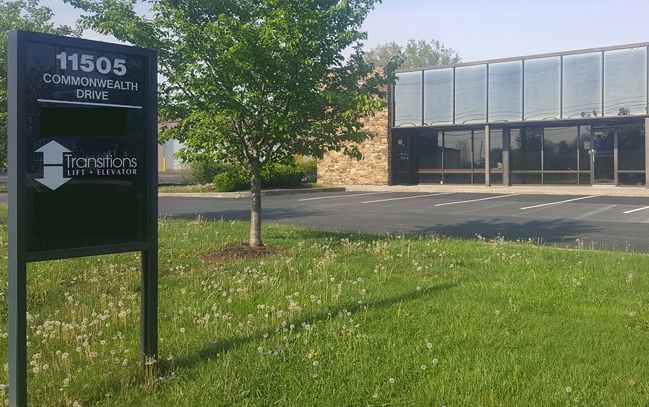
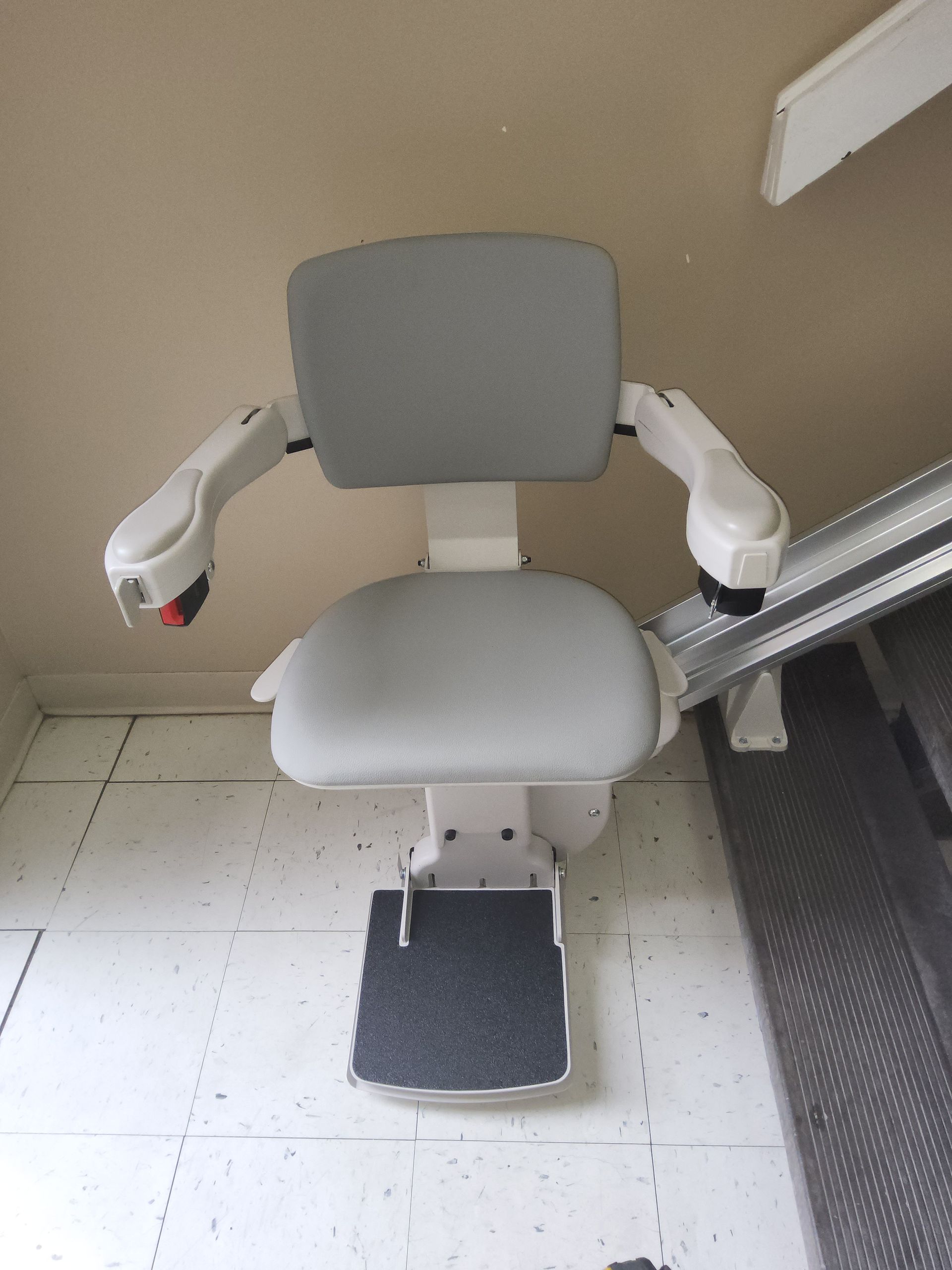
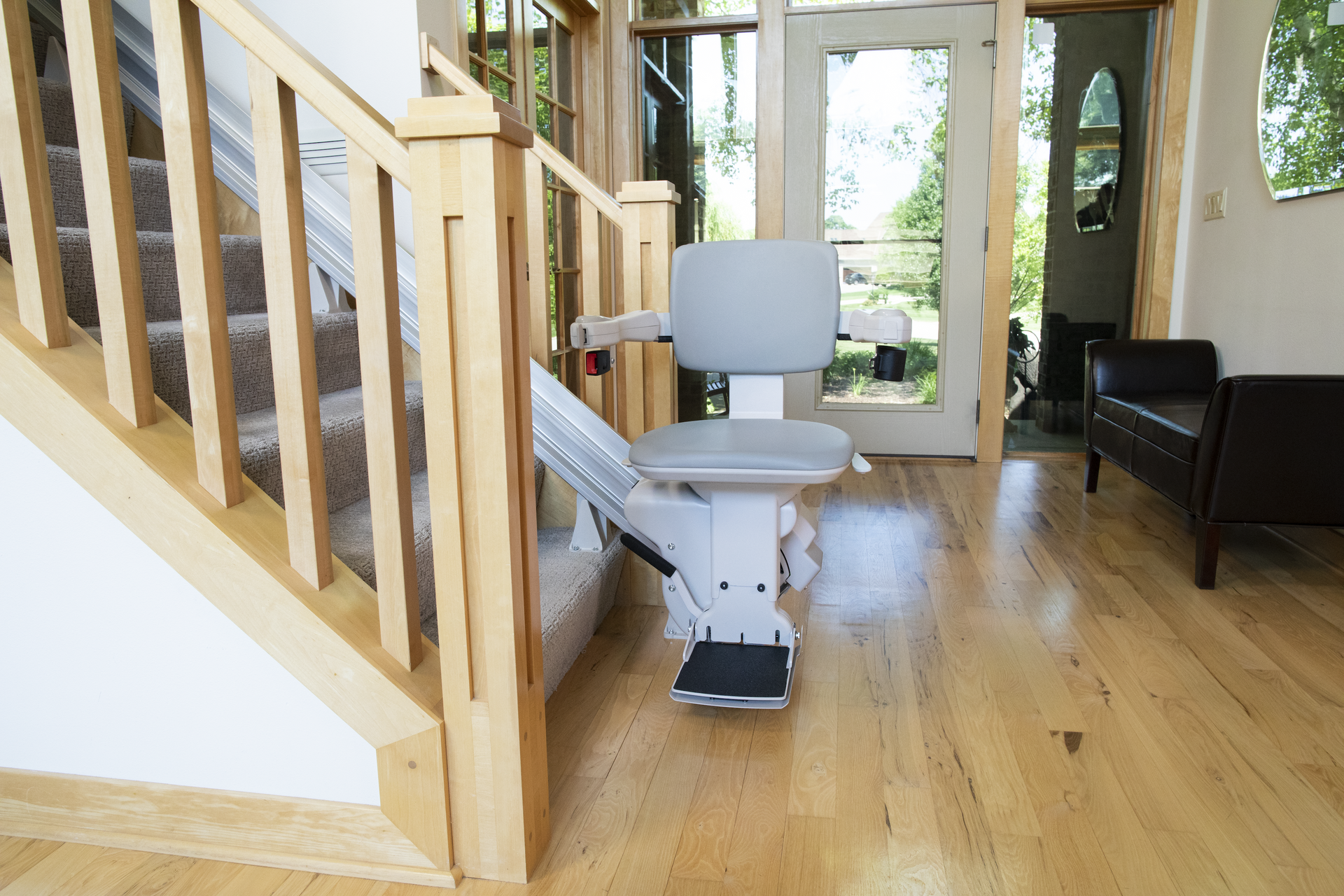
Transitions Lift and Elevator has been helping people in the Kentuckiana area since 2009. Our showroom opened in 2015 and is conveniently located off Bluegrass Parkway in Louisville, KY. We are available by appointment for sales and design at your place or ours. At our showroom you'll find working stair lift systems, home elevators, and vertical wheelchair lift systems. We work with homeowners, general contractors, and commercial businesses to provide affordable solutions to stay safely in your home or make your business or church accessible for all. 


Give us a call to schedule sales, service, safety inspection and maintenance for your lift or home elevator. Transitions Lift + Elevator is a licensed elevator contractor in Kentucky, Indiana, Ohio (including City of Cincinnati), and Tennessee.

Get a Quote Today!

Getting You Where You Need to be Since 2015!

Louisville, KY

Questions?

Contact Us

Showroom Hours: By Appointment Monday - Friday 9:00am - 5:00pm EST

11505 Commonwealth Drive suite 102, Jeffersontown, KY, USA


Email: info@transitionsmobility.com


Phone: (502) 240-5801 or Toll Free: (877) 341-3555

What Our Customers Are Saying!

Recent News from Transitions Lift + Elevator

January 17, 2026
Installing a stair lift is a critical decision for homeowners considering aging in place. On average, installation costs can be a significant factor in this choice. This article will explore the average stair lift installation costs, break down installation fees, and highlight potential hidden expenses. Readers will gain insights into evaluating costs from different stair lift companies and understanding financing options. By recognizing these factors, homeowners can make informed decisions that enhance their interior design while ensuring their safety and mobility. Key Takeaways stair lift installation costs range from $3,000 to $5,000 for straight models curved stair lifts require custom solutions, costing between $8,000 and $15,000 homeowners should explore financing options and insurance coverage for potential cost relief obtaining multiple quotes helps assess pricing and available services for better decision-making maintenance and warranty fees are essential factors in long-term budgeting for mobility solutions Overview of Stair Lift Installation Costs
December 15, 2025
Are you facing challenges moving comfortably between floors in your home? This post outlines what a home elevator is, the different residential lift types available, and the benefits of installing one. Readers will learn how to reduce mobility struggles and improve daily living. The content also discusses cost factors, installation details, and necessary safety measures to ensure the best decision for your residence. What Exactly Is a Home Elevator? This section defines residential lifts for personal use and explains differences from commercial models. It covers why homeowners opt for options like a wheelchair lift and illustrates basic components, including elements like glass, unique brand advice in jersey, and support via zip code data. Defining Residential Lifts for Personal Use Residential lifts for personal use offer an effective alternative to traditional staircase systems, enabling seamless transitions between floors while absorbing natural light to enhance the overall ambiance; this option appeals to homeowners seeking reliable mobility solutions often highlighted through professional advertising in New Jersey: Efficient mobility system design Smooth integration into different floor levels Maximized natural light for a brighter home environment Visibility through targeted advertising in New Jersey Resilient solution that bypasses the limitations of a staircase How Home Elevators Differ From Commercial Models Home elevators used in residences differ from commercial models mainly by addressing a home's specific space dimension and design requirements, incorporating elements such as a secure handrail and wood finishes to complement interior aesthetics while accommodating lower pressure demands than commercial systems. This tailored approach provides users with precise information that guides the installation process, ensuring safety and comfort for individual needs: Custom dimension adjustments Specialized wood finishes integration Enhanced handrail design for improved safety Optimized pressure requirements for residential use Clear information to support installation and maintenance Common Reasons Homeowners Choose an Elevator Homeowners choose an elevator for its ability to provide reliable mobility during a power outage by offering battery backup options and a secure gate system, ensuring continuous safety. The elevator's streamlined footprint and robust steel construction make it a practical solution for residences where space is tight and performance is crucial. This choice delivers convenience and peace of mind by combining advanced safety measures with efficient design to meet modern accessibility needs. Basic Components of a Typical Home Elevator System Typical home elevator systems include key elements such as robust construction materials and an efficient design that meets standards often referenced by the American Society of Mechanical Engineers. Practical installations involve considerations like ceiling clearance and careful material selection, ensuring the price remains competitive while upholding safety and aesthetic standards. This system provides homeowners with a reliable mobility solution that is both innovative and cost-effective. Exploring Different Types of Residential Lifts Hydraulic home elevators, traction systems, pneumatic vacuum elevators, and MRL designs offer various solutions tailored to accessibility standards like the Americans with Disabilities Act of 1990. This section covers drive system comparisons, warranty details in manufacturing, and optimizing room use to deliver efficient and safe residential mobility options. Hydraulic Home Elevators Explained Hydraulic home elevators rely on the force of fluid pressure to provide smooth, reliable movement between floors, making them an attractive option for residences seeking a practical alternative to stairs while preserving interior design aesthetics and saving energy. This system works efficiently by controlling atmospheric pressure to move the elevator smoothly and safely by a calculated number of foot movements, with a concise breakdown of the process: Fluid dynamics converting energy into vertical motion Precise control over foot-based distance to ensure smooth acceleration and deceleration Integration with modern interior design without compromising on safety Understanding Traction Elevator Systems for Homes Traction elevator systems for homes operate using a counterbalance mechanism that efficiently manages the weight of the elevator car while reducing overall cost compared to alternatives, making them an attractive option for renovation projects where space is limited. This system often incorporates a pump to control cable tension, ensuring smooth operation and reliable performance for homeowners seeking dependable mobility solutions. Pneumatic Vacuum Elevators a Modern Choice Pneumatic vacuum elevators provide an innovative solution suited to modern residential needs, especially for customers looking for accessible mobility options that complement traditional hydraulics and offer ease of maintenance. Designed with safety and efficiency in mind, they present a practical choice for homeowners in regions like Canada, meeting the needs of those requiring wheelchair accessibility in a compact and modern design. Machine Room-Less (MRL) Elevator Designs Machine Room-Less (MRL) elevator designs provide a compact and efficient solution, reducing the need for extra space while offering reliable performance tailored for residential use; they simplify installation and maintenance with components that integrate seamlessly into various home layouts: Saves space by removing the need for a separate machine room Streamlines installation with a compact design Offers dependable performance and low maintenance requirements Comparing Drive Systems Pros and Cons Professional analysis of drive systems reveals that hydraulic options offer smooth operation with a quieter performance, while traction systems often provide energy efficiency and simpler maintenance requirements. Homeowners can benefit from understanding these differences to choose a solution that fits their specific space and usage needs, ensuring a mobility installation that aligns with their lifestyle. The evaluation of each system's attributes can guide informed decisions that meet both safety standards and aesthetic considerations. Key Advantages of Installing a Home Elevator Home elevators improve accessibility and daily convenience while aiding in the efficient transport of goods. Customized designs contribute to a modern home look, support aging in place, and may increase property value. The following sections detail improved mobility, enhanced day-to-day ease, property benefits, and tailored design options for a practical residential lift solution. Improving Accessibility and Mobility Within Your Home Home elevators improve accessibility by providing a reliable and efficient means of navigating between levels, reducing the risk associated with staircases and promoting independence. They offer a practical solution for households needing mobility assistance, ensuring that each floor is easily reachable and enhancing overall quality of life. Adding Convenience for Daily Tasks and Transporting Goods Home elevators provide a practical solution for moving essential items between floors, making daily tasks smoother and reducing the need to carry heavy loads up and down staircases. This system offers homeowners a reliable way to transport goods quickly and safely across different levels, ensuring that daily routines remain efficient and manageable. Potential Increase in Property Value With a Residential Lift Installing a residential lift may boost a property's market appeal by offering a modern and practical upgrade that appeals to buyers seeking functional living spaces. The integration of home elevators in residences often translates to higher valuations, reflecting the efficiency and added accessibility provided to occupants. Aging in Place Solutions Provided by Home Elevators Home elevators serve as a practical solution for aging in place, supporting safe and independent mobility for homeowners while simplifying transitions between floors; this upgrade is ideal for those seeking to maintain an active lifestyle at home and reduce fall-related risks: Enhanced safety features for independent living Smooth and reliable movement between levels Modern design that supports accessible living Customization Options to Match Your Home's Style Home elevator customization options allow homeowners to integrate mobility solutions that reflect individual interior design preferences and functional requirements, offering tailored finishes, design accents, and adaptable features that align with each home’s unique style and spatial layout: Custom paneling options and personalized hardware finishes Adjustable interior lighting to complement home decor Space-efficient designs that integrate with modern living environments Factors Influencing Home Elevator Costs and Installation This section outlines factors affecting home elevator costs and installation. It covers estimating purchase prices for different elevator types, installation expenses, space requirements and structural modifications, permit processes and local building codes, as well as long-term financial aspects of elevator ownership. These insights help homeowners understand the complete picture before investing in a home elevator installation. Estimating the Purchase Price of Various Elevator Types Estimating the purchase price for various home elevator systems requires careful review of key features such as design customization, installation expenses, and maintenance factors: System design and customization Installation and structural modifications Technological features and energy efficiency Maintenance and service agreements Understanding Home Elevator Installation Expenses Home elevator installation expenses involve multiple components, including labor, structural enhancements, and permit fees, all contributing to the overall investment. Please consider the following key elements: System design and engineering adjustments Labor and installation charges Permit and inspection fees Space Requirements and Structural Modifications Needed Home elevator implementations require careful evaluation of available space, with installation teams assessing ceiling clearance, shaft dimensions, and the need for structural adjustments to support the system. Structural modifications might include reinforcing floors or adjusting walls to meet safety standards and ensure smooth operation. This analysis helps owners plan for potential construction changes while maintaining a focus on cost efficiency and safety compliance. Permit Processes and Local Building Codes The process of securing permits and meeting local building codes is a critical step in home elevator installation, ensuring that the system adheres to safety standards and regulatory requirements. This procedure requires reviewing plan details, obtaining necessary approvals, and coordinating inspections with local authorities: Review of installation plans and design specifications Submission of permit applications and required documentation Coordination with local building officials and scheduling inspections Long-Term Financial Aspects of Elevator Ownership Long-term elevator ownership involves planning for routine maintenance, repair costs, and occasional upgrading, factors that can affect overall investment. Practical financial planning allows homeowners to ensure that their residential lift continues to provide reliable, efficient accessibility while remaining cost-effective over time. Essential Safety and Maintenance Considerations for Your Lift This section outlines built-in safety features standard in modern home elevators, routine maintenance schedules for smooth operation, and tips for identifying reputable service providers. It also explains steps during power outages or malfunctions and highlights key safety certifications and standards, ensuring homeowners enjoy a secure and reliable residential lift experience. Built-in Safety Features Standard in Modern Home Elevators Modern home elevators come equipped with integrated sensors, emergency stop functions, and advanced door interlock systems that ensure passenger safety, especially during maintenance or unexpected power outages. These safety features provide homeowners with reliable and continuous operation while meeting high safety standards and addressing the unique mobility needs present in residential installations. Routine Maintenance Schedules to Keep Your Elevator Running Smoothly Home elevator routine maintenance ensures that the mobility system remains in optimal operating condition, reducing downtime and preserving safety standards while addressing common issues before they escalate into larger problems: Regular inspections of mechanical and electrical components Scheduled lubrication for moving parts Calibration of safety sensors and interlocks Identifying Reputable Service Providers for Your Residential Lift Home elevator owners can ensure continuous performance by partnering with certified service providers experienced in residential lift maintenance and repair. Professionals with a proven track record offer thorough safety inspections and timely preventive maintenance, reducing downtime and allowing homeowners to feel confident in their investment. Locating a reliable service provider through verified customer reviews and local business accreditations supports both daily operation and long-term reliability. What to Do During Power Outages or Malfunctions During unexpected outages or minor malfunctions, homeowners should adhere to recommended safety precautions and immediately contact their trusted service provider for prompt assistance; a few key steps include: Securing the elevator car by activating the emergency stop function Verifying that backup power systems are operational Observing proper evacuation procedures if necessary These actions ensure a secure response and maintain overall system reliability. Safety Certifications and Standards to Look For Professional home elevator services insist on equipment that meets strict safety certifications, ensuring compliance with well-defined industry standards for residential mobility. Homeowners benefit from these validated systems as they guarantee long-term reliability and support safe, uninterrupted operation under regular maintenance checks. Making the Right Choice for Your Residence Assessing specific needs and matching elevator types to a home’s layout helps shape an informed decision. Working with architects and elevator professionals, comparing quotes from home elevator companies, and addressing pertinent questions ensure a secure, reliable choice that fits a unique lifestyle and space requirements. Assessing Your Specific Needs and Lifestyle The evaluation process starts by identifying current mobility challenges and specific household requirements, enabling a tailored home elevator solution that seamlessly fits the available space and overall design. Experts advise that professionals conduct thorough assessments to ensure the chosen system efficiently meets daily living needs and promotes a comfortable, secure environment for residents. Matching Elevator Types to Your Home's Layout Home elevator specialists analyze available space and architectural designs to identify the best lift system for each residence, ensuring a perfect match between mobility equipment and home layout. They assess room dimensions, floor clearances, and design preferences to suggest installations that blend seamlessly with interiors while addressing accessibility needs and safety standards. This tailored approach offers homeowners clear guidance when planning residential lift integration and optimizing space usage for a secure, functional upgrade. Working With Architects and Elevator Professionals Working with architects and elevator professionals ensures that each home elevator is designed and installed to meet specific spatial needs and usability requirements. Experts collaborate to provide detailed assessments and accurate measurements, resulting in a mobility solution that fits neatly within the home's existing layout and design. This professional approach guarantees that residents enjoy a seamless blend of functionality and modern aesthetics tailored to their lifestyle. Comparing Quotes From Different Home Elevator Companies Comparing quotes from various home elevator companies is a tactical step that helps ensure a well-suited residential lift installation while addressing specific design and safety requirements. Home elevator professionals advise homeowners to review each proposal carefully to assess pricing structures, customization capabilities, and service reliability: Evaluating system design and customization Reviewing installation service details Assessing maintenance and service agreements Questions to Ask Before Finalizing Your Elevator Selection Home elevator experts recommend asking detailed questions to clarify design capabilities, installation procedures, customization options, and maintenance plans before finalizing the elevator selection to ensure a fully informed decision: What precise installation process is involved in the chosen model? How does the customization feature meet specific layout requirements? What are the terms and frequency of the planned maintenance and service? Conclusion Home elevators offer a practical solution to enhance daily mobility and overall home accessibility. They provide effective support for transporting people and goods safely between floors. Homeowners can benefit from tailored designs that meet specific spatial and safety requirements. This knowledge empowers residents to choose reliable and efficient mobility systems that improve their quality of life.
December 15, 2025
Do you struggle to find reliable information about wheelchair lifts for your home or business? This post explains the basics of wheelchair lifts, reviews different models, and offers installation tips that are easy to follow. Readers will learn how various lift types meet different needs and discover ways to ensure smooth installation. The content focuses on solving common challenges faced during preparation and installation, making it a valuable resource for anyone looking to improve mobility. Understanding the Basics of Wheelchair Lifts Wheelchair lifts provide efficient mobility solutions, defined by their ability to support both individuals and vehicles. These systems, including electric chair lift for stairs and bruno lifts, improve mobility under ADA guidelines. They differ from ramps in design and application, proving necessary in elevated access areas. Warranty details and product features support informed decisions for both home and commercial installations. Defining a Wheelchair Lift and Its Function Wheelchair lifts, including platform lifts and inclined platform lifts, provide reliable mobility by transferring users between different elevations with ease, often featuring a cart mechanism for automated movement and built-in backup systems for added reliability: Efficient vertical transport solutions Seamless integration in both home and commercial sites Connectivity options, such as submitting an email address for service alerts The specialized design of these systems ensures that users experience minimal effort when accessing various levels, supporting practical mobility needs and streamlining installation processes. How Accessibility Lifts Improve Mobility Accessibility lifts improve mobility by providing a reliable alternative to traditional elevator systems, ensuring a smooth transition for every passenger. They offer a high level of braunability with integrated sms capabilities that keep users informed about system updates and maintenance, similar to monitoring essential functions in a truck. Companies specializing in home and commercial installations rely on these advanced lifts to support practical needs efficiently. Key Differences Between Lifts and Ramps The comparison between lifts and ramps highlights distinct advantages in accessibility design, where a wheelchair elevator lift offers smoother transitions compared to the gradual incline of ramps. The use of a harmar scooter lift or similar systems in spaces such as a van or commercial site underlines the integration of these solutions in marketing strategies that emphasize safety and ease of use, providing clear benefits over traditional ramp installations in achieving optimal mobility. Recognizing Situations Where a Lift Is Necessary The necessity for a lift becomes apparent when a property involves significant height differences that challenge smooth entry and exit, making a mobility lift essential for reliable access. A stair lift with remote control capabilities can simplify transitions in busy commercial settings or homes where insurance policies emphasize reliable safety measures. Practical evaluations by experts show that assessing the building structure and anticipated user needs guides the decision to install a lift, ensuring overall safety and convenience. Exploring Different Wheelchair Lift Models This section covers vertical platform lifts that overcome height barriers, inclined platform lifts for stairs, portable wheelchair lifts for temporary needs, and vehicle solutions that include a scooter lift and wheelchair platform lift. It also compares residential and commercial models, delivering practical insights for each option. Vertical Platform Lifts (VPLs) for Overcoming Height Barriers Vertical platform lifts provide a robust solution for transport in areas with substantial elevation changes, offering a dependable handicap chair lift option that ensures secure and smooth movement. Users benefit from models designed with reliable pump mechanisms and competitive sale price options, making the chair a practical investment for both residential and commercial environments. Inclined Platform Lifts (IPLs) for Stairway Access Inclined platform lifts serve as a practical solution for stairway access, offering an efficient alternative to traditional mobility options and complementing products like mobility scooter lift for car installations. The systems, often compared to reliable options such as bruno chair lifts, provide smooth transitions that cater to users in spaces with varying entry points, similar to the ease experienced when loading a pickup truck. Experts note that incorporating a handicap stair lift into advertising campaigns can significantly increase service inquiries from both residential and commercial clients, reflecting a deep understanding of user needs. Portable Wheelchair Lifts for Temporary Needs Portable wheelchair lifts offer a flexible approach to temporary mobility needs, providing efficient solutions for users who require a power chair lift in restricted space or during short-term situations, whether in a home or a commercial setting; these systems allow an individual to maintain ADA wheelchair compliance without a significant investment in a permanent platform lift for home installation, while the price remains competitive and accessible: Quick setup and takedown for versatile applications Adaptability to various space constraints Cost-effective alternative for short-term mobility support Vehicle Wheelchair Lifts for Transportation Freedom The vehicle wheelchair lift offers reliable transportation freedom for users requiring efficient mobility solutions, ensuring that both mobility scooter and suv users experience minimal pressure during their travel routines. This advanced wheelchair lift model simplifies installation and reduces payment complexities, providing a secure and practical solution for commercial and residential environments. Its design supports diverse vehicle applications, making it a trusted choice for overcoming mobility challenges in various scenarios. Comparing Residential and Commercial Grade Lifts The company distinguishes between residential and commercial grade lifts by offering a range that meets the specific needs of each setting; while a residential handicap lift may focus on integrating seamlessly with a porch entry or home layout, a commercial wheelchair lift is built to support higher usage environments such as a bus station or facility, with reliable telephone alert systems to ensure continuous operation and prompt service response when needed: Residential lifts emphasize quiet operation and unobtrusive design. Commercial options prioritize durability and higher capacity. Both models incorporate safety features for everyday use. Common Applications for Wheelchair Platform Lifts Customer-focused insights guide this section on practical lift applications. Residential lifts support home accessibility, while commercial lifts improve public building access. Integration into vans and vehicles offers transport solutions, and outdoor lift options cater to decks, patios, and porches. Each topic offers straightforward advice tailored to customer needs for efficient, accessible mobility solutions. Making Homes Accessible With Residential Lifts Residential lifts allow homeowners to achieve smooth indoor-outdoor transitions while providing a dependable mobility solution for family members. These reliable wheelchair lifts ensure safe and simple access to different levels of the home, reducing challenges and meeting everyday needs efficiently. Improving Public Building Access With Commercial Lifts Commercial lifts provide a robust solution for public buildings by ensuring safe, smooth access between floors, thereby reducing barriers to mobility. These reliable systems help facility managers maintain continuous operation while supporting high traffic and strict safety protocols. Industry professionals find that installing commercial lifts enhances overall accessibility and meets stringent regulatory requirements for public spaces. Integrating Lifts Into Vans and Other Vehicles Integrating mobility lifts into vans and other vehicles offers a reliable solution for ensuring smooth access during travel. The professional team considers vehicle space, weight capacity, and user safety when installing these systems, resulting in adaptable solutions that improve daily transportation. Practical steps include: Assessing vehicle dimensions and entry points Selecting a compatible lift model Implementing secure installation practices Outdoor Lift Solutions for Decks Patios and Porches Wheelchair platform lifts for outdoor areas offer a practical solution to improve access to decks, patios, and porches, ensuring safe transitions between different levels. The systems are designed for secure installation and reliable operation in various weather conditions, meeting the needs of both residential and commercial users. This approach supports efficient mobility while avoiding the complexities associated with alternative access methods. Key Factors for Selecting the Right Wheelchair Lift Assessing specific accessibility requirements, measuring space and structural needs, and understanding weight capacity and platform size prove essential when selecting a wheelchair lift. Evaluating safety features and controls and budgeting for the purchase further assist in choosing the right fit. Subsequent topics offer practical insights for informed decisions in both residential and commercial installations. Assessing Your Specific Accessibility Requirements Experts advise evaluating building dimensions and user requirements to determine the most suitable lift for various spaces. Professionals consider factors such as space limitations, weight capacity, and platform size when recommending a system that suits either residential or commercial settings. This methodical assessment ensures that the selected wheelchair lift meets the specific accessibility challenges and supports reliable mobility across all locations. Measuring Space and Structural Needs Accurately Careful measurement of space and structural needs is vital when selecting a wheelchair lift; experts recommend reviewing building dimensions, weight limits, and platform size to guarantee a secure installation. This process helps ensure that the lift meets the precise requirements of each location while addressing potential challenges such as clearance and stability issues, providing clear guidance for installation experts and property managers: Review overall building dimensions and entry points Determine weight capacity based on expected usage Assess platform size and clearance for smooth transitions Understanding Weight Capacity and Platform Size Options Professionals consider weight capacity and platform size options as vital metrics when determining the best wheelchair lift for a specific setting, ensuring that each system supports anticipated usage while fitting within available space constraints. Expert installers assess these factors through precise measurements to guarantee reliable and secure installation, which ultimately leads to smoother transitions and optimal lifespan. This approach helps both homeowners and commercial clients align their mobility equipment choices with their practical needs, resulting in a sound investment for enhanced access. Evaluating Safety Features and Controls The safety features and controls of a wheelchair lift are crucial for reliable use in both home and commercial installations, ensuring users experience secure operation at all times while minimizing potential risks. Key elements such as manual stop functions, motion sensors, and user-friendly control panels guide the selection process by addressing common challenges and offering peace of mind: Manual stop functions for emergency use Motion sensors to detect obstructions User-friendly control panels for straightforward operation Budgeting for Your Wheelchair Lift Purchase Budgeting for a wheelchair lift purchase requires careful planning to ensure the selection meets both practical needs and financial constraints. Consider the following factors to better manage cost and achieve a smooth installation process: Assess current space requirements Review installation expenses for both residential and commercial settings Compare options based on weight capacity and platform size Navigating Wheelchair Lift Installation Procedures This section covers essential steps for wheelchair lift installation. It outlines site preparation, power needs and electrical work, and factors to weigh when choosing professional help versus self-setup. The article then details typical installation steps and post-installation checks, offering clear guidance to ensure a smooth and safe initial operation of mobility equipment. Preparing the Site for Lift Installation The installation team assesses the installation area to ensure all dimensions are measured accurately and obstacles are removed, thereby preparing the site for a seamless wheelchair lift setup. This careful site preparation process includes verifying structural stability, checking power source locations, and planning clear access routes to optimize both residential and commercial installations: Review building dimensions and entrance points Confirm electrical outlet availability Clear obstructions for smooth access Understanding Power Requirements and Electrical Work When planning wheelchair lift installation, understanding power requirements and electrical work is crucial to ensure safe and reliable performance, as experts recommend verifying voltage compatibility, circuit capacity, and necessary connection points before starting any installation process: Assess voltage requirements Confirm circuit capacity Check electrical safety standards Professional Installation Versus Self Setup Considerations Experts advise that professional installation ensures that wheelchair lifts, whether for home or commercial settings, are set up safely and in compliance with all regulations, reducing the risk of improper installation while saving valuable time for property managers. The decision between professional installation and self setup can be summarized by considering: Expert assessment of structural and electrical requirements Comprehensive warranty support and safety checks Efficient troubleshooting and technical guidance Typical Steps in the Installation Process The installation process begins with a comprehensive assessment of the site, where experts evaluate space dimensions, power requirements, and accessibility to ensure that the selected wheelchair lift fits the specific needs of the location. Professionals then proceed with careful assembly, aligning the lift's mechanical components and safety features to guarantee proper function and reliable mobility operation. Finally, a series of rigorous tests are performed to confirm that the equipment meets all performance and safety standards, providing a smooth initial operation that enhances both residential and commercial accessibility. Post Installation Checks and Initial Operation Experts perform thorough post installation checks to confirm that the wheelchair lift functions safely and meets regulatory standards, testing features such as motion sensors, manual stops, and control panels for proper operation. The initial operation session includes a detailed review of all system components, ensuring that homeowners and commercial facilities experience reliable and smooth mobility from the start. Maintaining Your Wheelchair Lift for Longevity Routine maintenance checks and scheduled professional servicing keep wheelchair lifts operating safely. This section outlines how to perform basic maintenance, troubleshoot common issues, and understand warranty support, ensuring every accessibility lift remains reliable. Practical insights guide users in maintaining optimal performance through regular inspections and expert advice. Routine Maintenance Checks You Can Perform Regular checks on the wheelchair lift improve reliability and prolong service life. The maintenance team ensures that tasks such as cleaning components, verifying sensor accuracy, and inspecting power connections are completed; performing the following actions helps maintain optimal performance: Clean and inspect the lift's tracks and moving parts Test safety sensors and control panels for proper response Examine power connections and backup systems Scheduling Professional Servicing and Inspections Experts advise that regular professional servicing and inspections help maintain the equipment's optimal performance and safety. This approach minimizes potential disruptions and supports both residential and commercial mobility solutions by ensuring that every component of the wheelchair lift operates as intended. Troubleshooting Frequent Lift Operational Issues Experts recommend checking control panel settings and sensor functions as first steps when evaluating frequent operational issues with a wheelchair lift. Regular review of power connectivity and software diagnostics ensures practical insights are applied to minimize disruptions and optimize lift performance. The approach helps users quickly resolve minor glitches and maintain safe, reliable operation for both residential and commercial installations. Understanding Warranty Coverage and Support Warranty coverage for wheelchair lifts includes detailed support plans that address repair guidelines, regular maintenance checks, and replacement policies in case of component failure, ensuring that both home and commercial users receive efficient service. The company provides clear instructions and prompt technical assistance to resolve any issues, which reassures customers about their investment and minimizes downtime. This level of support reflects a commitment to quality and reliability in every installation. Keeping Your Accessibility Lift Safe and Reliable Regular upkeep and timely inspections ensure that accessibility lifts remain safe and reliable for both residential and commercial environments. The company’s team of experts applies proven maintenance protocols to address performance issues and secure optimal operation. This careful approach demonstrates commitment to quality, giving users confidence in their mobility equipment every day. Conclusion Wheelchair lifts offer practical solutions that support reliable mobility in both home and commercial settings. They accommodate various elevation differences while ensuring compliance with accessibility standards. Clear guidelines on choosing, installing, and maintaining these lifts empower users to make informed decisions. This topic underscores the value of selecting the right lift to secure safe and efficient access for everyone.
Show More